
Wrestling is a unique sport that demands a lot from its athletes. It has seen a big increase in participation, with over 12% for young men and nearly 30% for young women joining in recent years. This growth shows how wrestling can shape character and build resilience.
The intense nature of wrestling puts a lot of stress on the body. Athletes face a high risk of wrestling injuries as they strive to be the best. In fact, wrestling is one of the most injury-prone sports, with a higher rate of severe injuries compared to other NCAA sports.
We want athletes to compete with passion and smarts. That’s why we share knowledge to help, not to scare. By knowing the common wrestling health risks, athletes and coaches can make the sport safer for everyone.
Is Wrestling Really Dangerous?
Looking into wrestling’s safety, we need to dig deeper than just the surface. We hear about its physical demands, but what do the injury stats really show? What are the real health risks in wrestling?
The NCAA’s data shows wrestling has a high rate of severe injuries among college sports. This might seem scary. Common wrestling injuries often affect the knees, shoulders, and skin. Issues like knee bursitis and shoulder strains are common. Skin infections, like impetigo and herpes gladiatorum, are also a big risk due to the close contact.
But, there’s a positive side to wrestling. The sport has made big strides in keeping athletes safe. Stricter rules and better safety measures have changed the game. Now, athlete care is a top priority.
Rule changes and protective gear have cut down on injuries. A strong safety culture has also grown. Health checks, better hygiene, and coach education on injury prevention are now key. This has helped reduce wrestling health risks significantly.
The wrestling community’s dedication to safety is clear. Thanks to rule changes, better equipment, and education, the sport is safer. Safety protocols have evolved, showing the sport’s dedication to its athletes. This ensures wrestlers can pursue their passion safely.
Is wrestling dangerous? Yes, like any contact sport, it has risks. But today, with a focus on safety, wrestling injuries are being managed well. The sport is moving towards a safer environment for all wrestlers.
Common Injuries Explained
Wrestling is a tough sport that needs strength, agility, and skill. It builds discipline and toughness but also risks certain wrestling injuries. Knowing about these injuries helps prevent them and keeps the sport safe for everyone.
Learning about common injuries is key to staying safe. We’ll help you understand the most common wrestling injuries. This way, you can enjoy the sport more safely and confidently.
Sprains and Strains
Sprains and strains are common in wrestling. They often happen in the ankles, knees, and shoulders. This is because of the quick moves and changes in direction during matches. Sprains affect ligaments, while strains impact muscles or tendons. Warming up right and using good technique can help avoid these injuries.
Concussions
Even with safety rules, head injuries can happen. Signs like dizziness, confusion, or headaches after a match need quick attention. It’s important to spot and report concussion symptoms to keep wrestlers safe.
Shoulder Dislocations and Separations
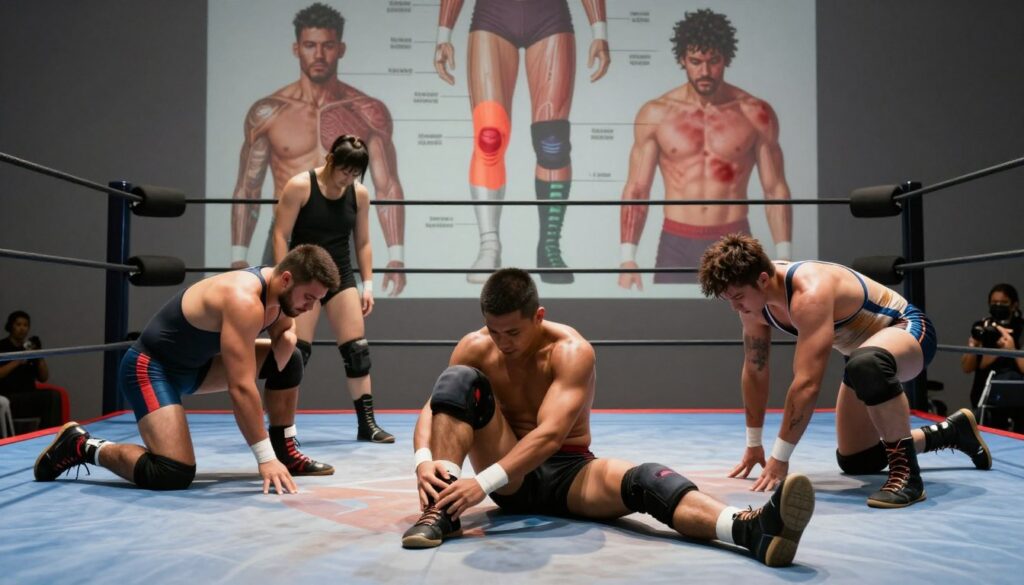
The shoulder is very mobile, making it prone to injury during wrestling. A dislocation occurs when the upper arm bone pops out of the shoulder socket. This is a painful injury that needs quick medical help to fix.
Knee Injuries
Knee injuries are a big problem in wrestling, making up to 40% of all wrestling injuries. The ACL and MCL are often torn from twisting and sudden stops. Meniscus tears also happen, causing knee pain and swelling.
Elbow Hyperextensions
Hyperextension happens when a joint moves too far. In wrestling, this often affects the elbow. It can hurt the ligaments and tendons, causing a lot of pain. This injury needs rest and rehab to heal.
Skin Infections
Wrestling’s close contact makes skin health critical. Conditions like ringworm and herpes can spread fast. Keeping skin clean, checking for lesions, and treating them quickly is essential for team safety.
If you or someone you know is hurt from wrestling, the Children’s Hospital Colorado Sports Medicine Center has a guide. Their experts give great care and advice for all athletes.
Knowing about wrestling injuries helps athletes stay safe. Most injuries can be treated, and with the right care, wrestlers can get back to wrestling stronger and wiser.
Long-Term Health Effects
We celebrate the amazing skills and hard work of wrestlers. But we also talk about the health risks they face. Thanks to sports medicine, we can manage these risks better. This way, athletes can keep living well even after they stop wrestling.
Wrestlers often face health issues that come up over time. These problems need ongoing care. The constant stress on their bodies can change them, but today’s medicine helps a lot.
The table below shows common health issues, why they happen, and how to deal with them:
| Long-Term Condition | Common Causes in Wrestling | Management Strategies |
|---|---|---|
| Chronic Joint Pain | Repetitive impact, joint locks, takedowns | Physical therapy, strength training, anti-inflammatory care |
| Osteoarthritis | Repeated joint stress, previous injuries | Joint protection, weight management, low-impact exercise |
| Chronic Neck/Back Issues | Spinal compression, constant pressure | Core strengthening, posture work, regular stretching |
| Post-Traumatic Arthritis | Previous joint injuries, dislocations | Joint-sparing exercises, pain management |
These health issues don’t have to control a wrestler’s life. With the right care, many wrestlers live active, happy lives. Early treatment and ongoing care are key.
We’re thankful for sports medicine advancements. They help us deal with wrestling’s health risks. Better gear, training, and rehab mean athletes can stay healthy longer.
Wrestling teaches athletes discipline and resilience. These skills help them stay healthy after wrestling. We thank doctors and researchers for their work in helping wrestlers stay well.
Pain Management Culture
Wrestlers often face a tough choice between being tough and reckless with pain and injuries. For years, the wrestling world believed that ignoring pain showed strength. This mindset has made legends but also a culture of hiding injuries.
This culture values pain tolerance as a sign of toughness. Young wrestlers are taught that enduring pain gains respect. But this can lead to hiding injuries and returning too soon, causing long-term harm.
Weight management adds to the problem. Wrestlers trying to meet weight classes might cut weight in harmful ways. This can lead to dehydration, nutritional issues, and overtraining, causing injuries and chronic pain.
| Aspect | Traditional Approach | Modern Approach | Impact on Wrestlers |
|---|---|---|---|
| Pain Response | Ignore or hide pain | Report and address pain immediately | Reduced chronic issues |
| Injury Management | Continue competing injured | Proper rest and rehabilitation | Longer, healthier careers |
| Weight Management | Extreme cutting and dehydration | Scientific nutrition planning | Better performance & safety |
| Mental Health | Stigma around seeking help | Integrated mental health support | Better overall wellness |
The culture is changing for the better. Now, many programs focus on wrestler health through better pain management. They use early intervention and holistic wellness, showing that true toughness means knowing when to rest.
Coaches and organizations are adopting new ways to handle pain. They use sports science, nutrition, and mental health support. This approach shows that caring for health is the ultimate strength.
By changing our views on pain management, we can protect athletes’ health. The shift is from ignoring pain to training smart and recovering well. This way, we keep the sport’s competitive spirit while ensuring athlete safety.
Differences Between Eras
The history of wrestling shows amazing changes in athlete safety. Each era has brought a better understanding of safety and a stronger commitment to athletes. We’ve moved from a time with few rules to today’s strict safety environment. These changes show a big shift in valuing the well-being of wrestlers.
In the early days, wrestling focused on toughness, often ignoring health. There was little protective gear, and wrestlers were expected to push through pain. Now, we focus on protecting and preventing injuries, a big change from the past.
| Era | Safety Mindset | Common Gear | Injury Response |
|---|---|---|---|
| Early Years | Ad-hoc, reactive | Minimal; basic gear | Treatment after injury |
| Modern Era | Proactive prevention | Advanced, specialized | Prevention & immediate care |
This table shows a huge change. We’ve moved from ignoring pain to focusing on prevention. Today, we use advanced gear, follow strict concussion rules, and train with safety in mind. These changes are in the sport’s culture, from youth leagues to the pros.
We celebrate these historical changes because they protect the sport’s future. Every safety rule and piece of gear shows our dedication to wrestlers. Looking at injury data, we see a clear improvement. The shift from ignoring pain to valuing safety is a big win for wrestling.
How Safety Has Improved
We are thrilled to share the incredible progress our community has made in making wrestling safer for every athlete. The journey toward a safer sport is a story of innovation, collaboration, and a shared commitment to our athletes’ well-being. The most significant leap forward has been the development and implementation of the Wrestling+ program, a data-driven initiative that has shown remarkable results.
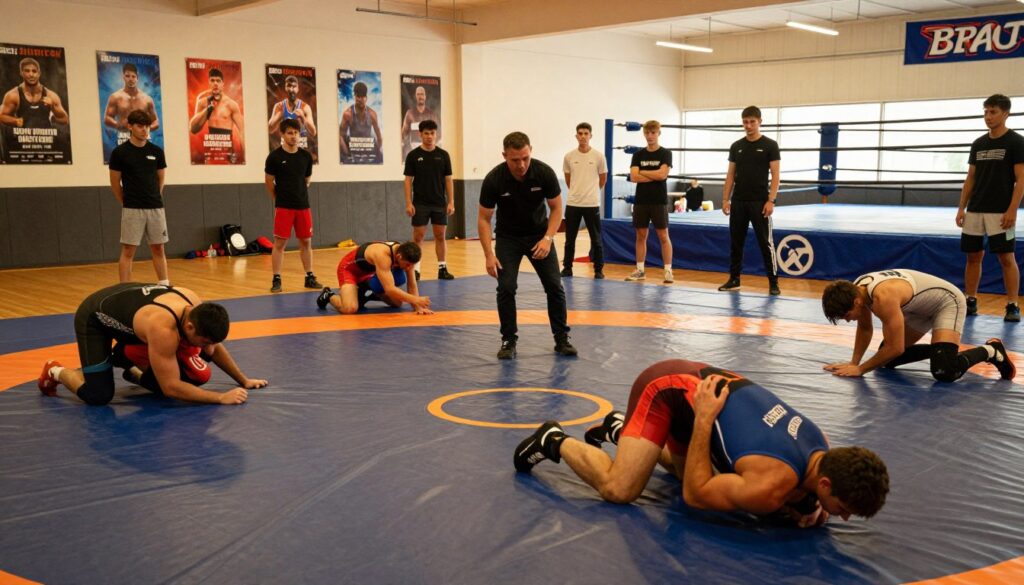
Our Wrestling+ program, a cornerstone of our safety efforts, has been a game-changer. In a recent, extensive study, the implementation of this program was associated with a 58% reduction in reported injuries. This isn’t just a statistic; it represents hundreds of athletes who can compete with greater confidence and security. We are profoundly grateful to the coaches, athletic trainers, and sports scientists who have championed this program.
Our focus on wrestling safety is a multi-pronged approach, built on four key pillars:
- Proactive Injury Prevention: The Wrestling+ program is at the heart of this, focusing on dynamic warm-ups, proper technique, and sport-specific conditioning to build resilient athletes.
- Evolution of Competition Rules: We have championed rule changes at all levels of the sport. Stricter penalties for dangerous moves, enhanced concussion protocols, and updated weight management policies have created a fundamentally safer competitive environment.
- Innovation in Protective Gear: The quality of equipment has seen a revolution. Today’s singlets are designed for greater mobility and durability, while headgear and mouthguards are engineered with advanced materials that offer superior protection without sacrificing an athlete’s performance.
- Education as a Cornerstone: We’ve moved beyond simply teaching moves. We now offer mandatory training for coaches and officials on concussion recognition, weight management, and heat illness prevention. This empowers the entire community to be proactive about safety.
This multi-faceted approach to injury prevention is a testament to what we can achieve together. The 58% reduction in injuries from the Wrestling+ study is a powerful validation of our community’s commitment. We’ve moved from a culture of “toughing it out” to a culture of prevention and care. The culture is shifting from one that merely treated injuries to one that actively prevents them.
We are deeply grateful to every coach, parent, official, and organization that has championed these safety measures. The path to a safer sport is a continuous journey, and we are proud to be on it with you, celebrating every step that makes wrestling safer for the athletes we are dedicated to serving.
Mental Health Considerations
Wrestling is more than just physical. It tests mental and emotional strength too. Athletes face intense pressure and physical demands. This can affect their well-being and performance.
The culture of toughness can make it hard to talk about mental health. But, it’s essential for athletes’ safety and success. Mental health is as important as physical health.
Stress from competition and managing weight can be overwhelming. It’s important to support mental wellness in sports. A supportive community can make a big difference.
It’s key to create a safe space for wrestlers to talk about their mental health. This includes open conversations and access to sports psychologists. Peer support networks are also vital.
Sharing stories of resilience is a positive step. It shows the journey to better mental health is a team effort. If you’re struggling, remember you’re not alone.
Reaching out for help is a sign of strength. By supporting each other, we build a healthier wrestling community. Everyone benefits from this support.