

Bridgeport Stadium Concerns is the clearest shorthand for a fight that is not limited to a ballpark footprint. As of October 1, 2026, public pushback to the White Sox’s proposed South Loop stadium plan centers on a linked Amtrak maintenance facility proposed for Bridgeport, with residents and local officials raising environmental, economic, and process objections.
Environmental Issues Behind The Stadium Fight
The central environmental dispute is the proposed Amtrak maintenance yard in Bridgeport. Residents have objected to a facility described as operating 24 hours a day, seven days a week, citing worries about diesel exhaust, fine and ultrafine particulates, black carbon, noise, vibration, toxic runoff, and other hazards. CBS Chicago reported that Bridgeport and South Loop residents criticized the plan as part of the broader White Sox stadium debate.
The concern is intensified by proximity. The proposed facility would sit roughly 100 feet from some homes and near schools and senior housing, according to La Vie Zine. In a dense residential area, that distance matters because the complaints are not abstract. They are tied to daily exposure, nighttime operations, and the potential for train-related noise and vibration to affect homes, school routines, and older residents.
Rail Operations And Neighborhood Exposure
Rail maintenance facilities are not the same as ballparks in their environmental profile. A baseball stadium has event-day traffic, lighting, noise, crowd flow, and public safety concerns. A maintenance yard raises a different set of issues because it can operate outside game windows and outside the seasonal rhythm of a club schedule. That is why the public response has focused so heavily on the rail component rather than only on where the White Sox might play after their current lease ends.
That distinction makes the debate harder to evaluate through a sports-only lens. A new stadium can be sold as a team facility, a fan destination, or a real estate project. The Bridgeport objections ask whether the infrastructure needed to clear or support the South Loop site would transfer burdens to a neighborhood that is not receiving the same direct venue benefits.
Why Bridgeport Stadium Concerns Center On Rail
Bridgeport Stadium Concerns center on rail because the public fight has tied the stadium proposal to Amtrak’s Bridgeport plan. The White Sox stadium discussion is linked in the research record to a potential shift involving rail infrastructure, not simply a privately built ballpark on vacant land. That means the question is not only whether a new stadium can be financed, but whether nearby rail operations would be moved, expanded, or approved in a way residents consider harmful.
Bridgeport Stadium Concerns And The NEPA Question
The environmental review process has become a major source of distrust. Research notes indicate Amtrak reportedly received a categorical exclusion under the National Environmental Policy Act for the project, which would allow it to proceed without a full environmental impact statement. Residents and local leaders have asked for environmental documentation to be released and for a fuller review of potential harms.
That process issue may prove as significant as the engineering details. If residents believe the review has been limited or withheld, even accurate project claims can face skepticism. In stadium politics, public acceptance often depends on whether a community can see the assumptions behind traffic, noise, air quality, and construction plans. Without shared documentation, the debate tends to shift from technical findings to trust.
Scar Sports previously examined how rail issues intersect with the White Sox plan in White Sox stadium funding. The same theme appears here: rail relocation or rail-site work is not a side issue if it affects whether the stadium plan is practical, financeable, and politically durable.
Economic Stakes Behind Bridgeport Stadium Concerns
The economic critique has two parts. First, residents argue that a large maintenance facility in a residential neighborhood could reduce property values. The research notes do not provide an independent property-value study, so that claim should be treated as a resident concern rather than a verified forecast. Still, it is a predictable concern when homeowners hear that a 24-hour rail maintenance operation could be placed close to residences.
Second, critics have questioned whether the broader stadium plan would be fully privately financed. Alderman Nicole Lee and Cook County Commissioner John P. Daley have expressed doubt about claims that the proposal would avoid public subsidy or taxpayer exposure. That matters because stadium debates often turn on who pays for land, infrastructure, roads, utilities, rail adjustments, environmental mitigation, and long-term maintenance around the site.
Private Financing Claims And Public Exposure
A privately financed ballpark can still depend on public decisions. The public sector may be asked to approve zoning, infrastructure changes, transportation work, environmental reviews, or land-use changes. The research notes do not establish a final public cost for the White Sox proposal. They do show that public officials and residents are not treating the financing question as settled.
The timing adds pressure. The White Sox’s current lease at Guaranteed Rate Field, also referenced in the research notes as Rate Field, ends after the 2029 season. That gives the club and government officials a planning window, but not unlimited time. Stadium projects need approvals, environmental clearance, financing agreements, design work, and construction schedules. If the rail dispute slows approvals, the lease timeline becomes more significant.
Public Process And Review Demands
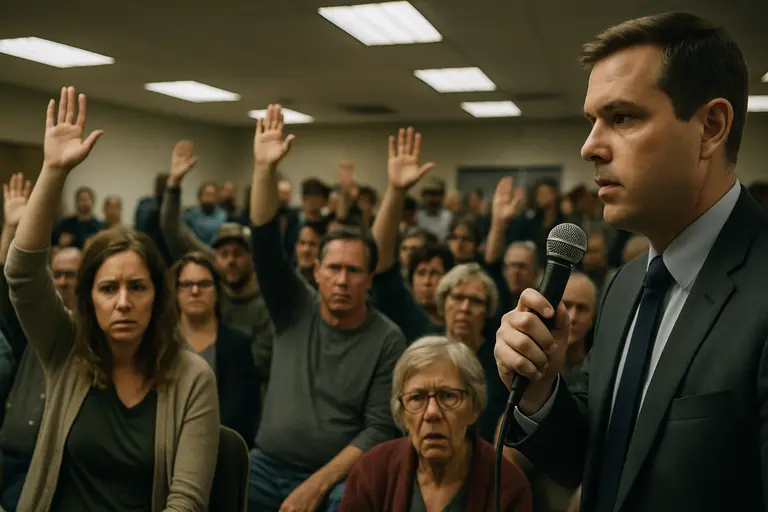
By late September 2026, the dispute had moved further into City Council politics. Research notes state that 36 aldermen supported a resolution introduced by Alderman Lee calling for hearings on site selection, alternatives, and a full federal environmental review of Amtrak’s proposal. That level of support suggests the issue is no longer limited to a small group of nearby residents.
On September 5, 2026, Lee and Commissioner Daley called the proposal “a betrayal” to Bridgeport and Chinatown, according to the research notes. The language reflects a broader argument about working-class and immigrant communities, not only a dispute over a sports venue. The concern is that neighborhood costs could be accepted as a tradeoff for a stadium-centered redevelopment plan elsewhere.
Community Identity Around The White Sox
The White Sox have deep ties to Bridgeport. The research notes point to the club’s connection to the area since the original Comiskey Park opened in 1910. For some residents, that history makes the stadium debate emotionally different from a standard relocation discussion. Losing the team’s daily presence would be one change; gaining a 24-hour maintenance facility in connection with that move would be another.
Sports venue debates often cross into neighborhood planning, and that pattern is visible beyond baseball. Readers interested in similar stories involving community impacts from sports facilities might find relevant insights and articles at Dashers Hockey. The common question is not whether teams matter to fans. It is whether public agencies, teams, and infrastructure operators account for the neighborhoods asked to absorb costs.
Bridgeport Stadium Concerns For The White Sox
Bridgeport Stadium Concerns leave the White Sox with a planning problem that is bigger than stadium design. The club’s future venue question is tied to environmental review, public trust, rail logistics, and skepticism about who would pay for related infrastructure. As of October 1, 2026, the research record supports a cautious reading: the proposal remains contested, and key questions about environmental documentation, review standards, and public exposure have not been resolved in the public debate.
For the White Sox, the risk is that a stadium plan framed around a South Loop future becomes defined by Bridgeport costs. A new ballpark can attract attention through renderings, financing claims, and promises of development. The public response in Bridgeport shows that approval may depend just as much on rail operations, air-quality concerns, and whether residents believe they had a fair chance to challenge the assumptions behind the plan.
Bridgeport Stadium Concerns also show why the 2029 lease date is not the only clock in the discussion. Environmental review, City Council hearings, community opposition, and infrastructure planning can each affect whether a project advances. Until those questions are answered with public documentation and specific commitments, the White Sox stadium debate will remain a sports-business story shaped by neighborhood environmental and economic concerns.


